


 Language
หากคุณต้องการความช่วยเหลือใด ๆ โปรดติดต่อเรา

คู่มือการจัดซื้อจัดจ้าง: ขนาดบันไดเคเบิลทางทะเลแบบกำหนดเอง – วิธีการเลือกขนาดตามน้ำหนักบรรทุก ช่วง และสภาพแวดล้อมที่มีฤทธิ์กัดกร่อน
In marine and offshore applications, electrical cable management is a critical aspect of system reliability and safety. Choosing the correct marine cable ladder sizes ensures adequate support for cables, proper ventilation, and long‑term performance in harsh environments. This guide explores how to select the right size of a cable ladder on a vessel or offshore platform based on load, span and corrosive conditions, with detailed insights and actionable steps.
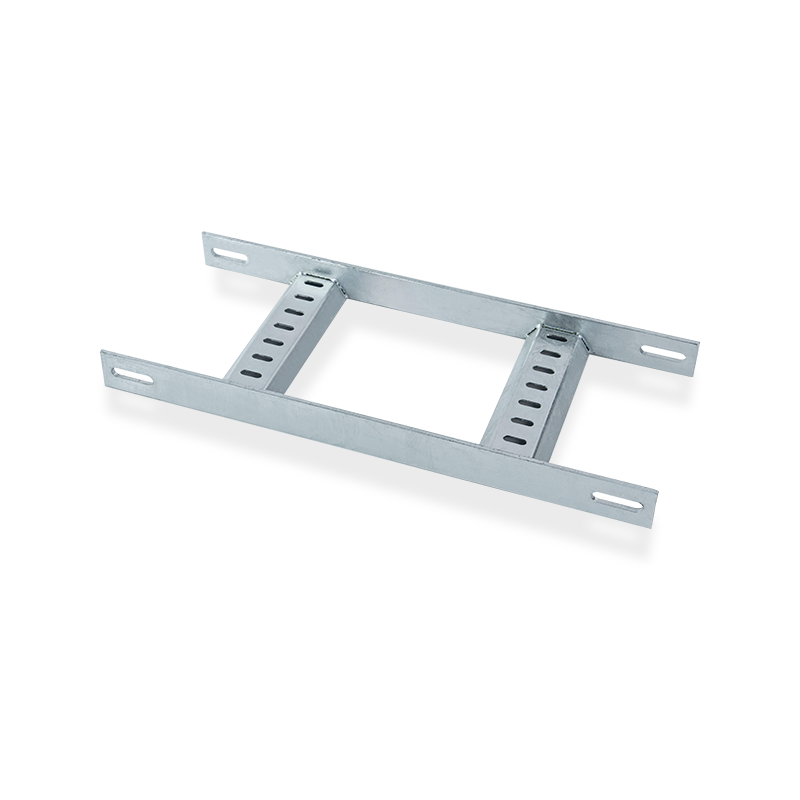
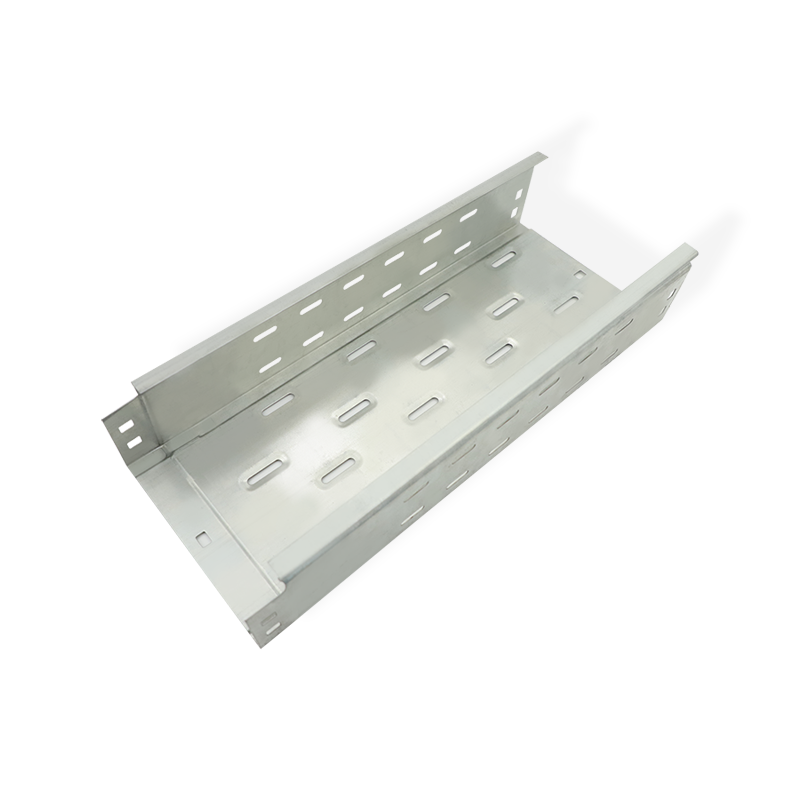
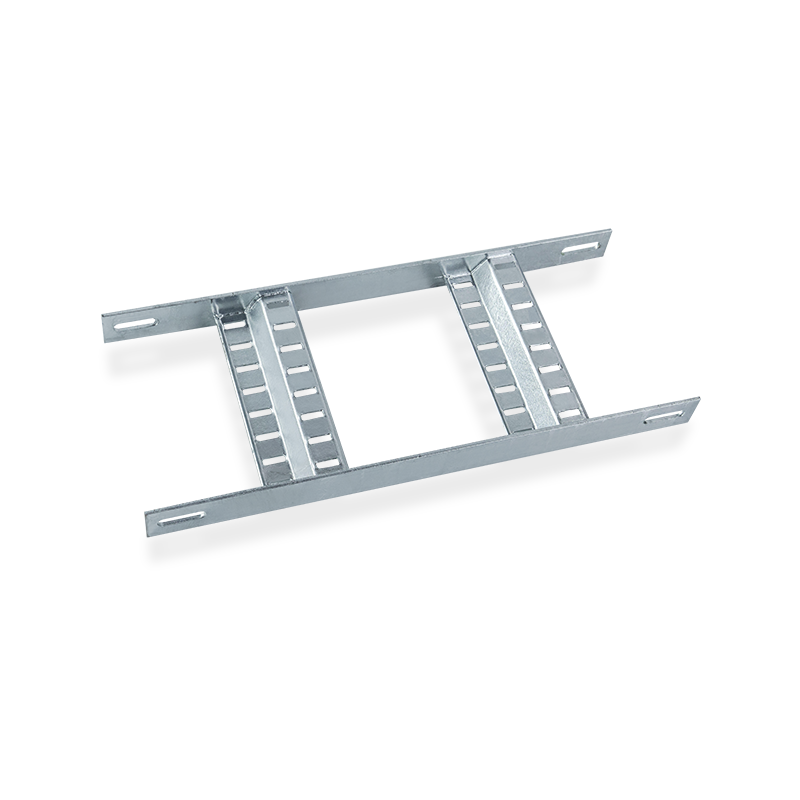
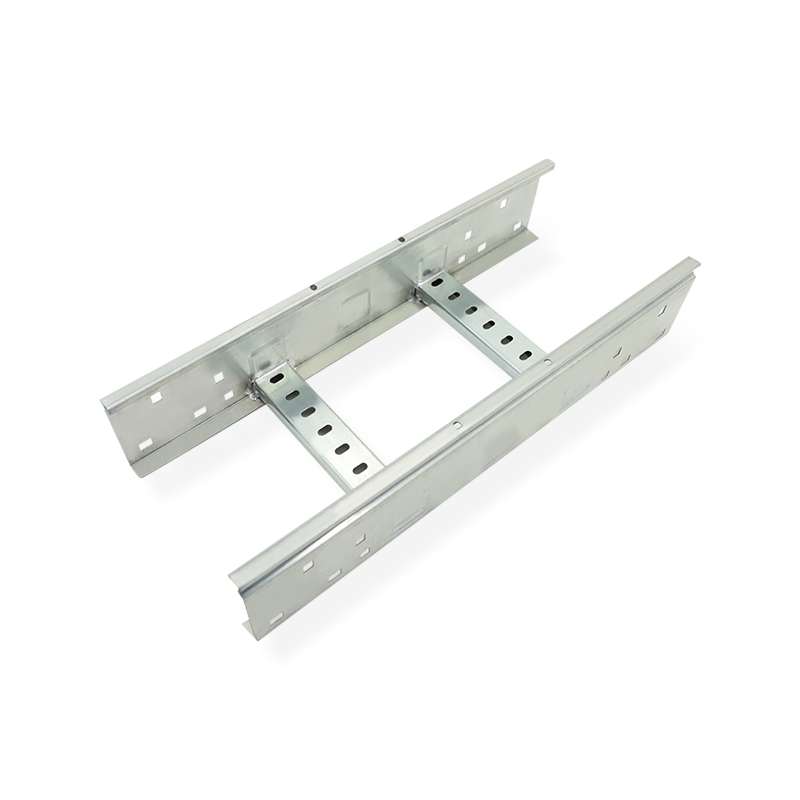
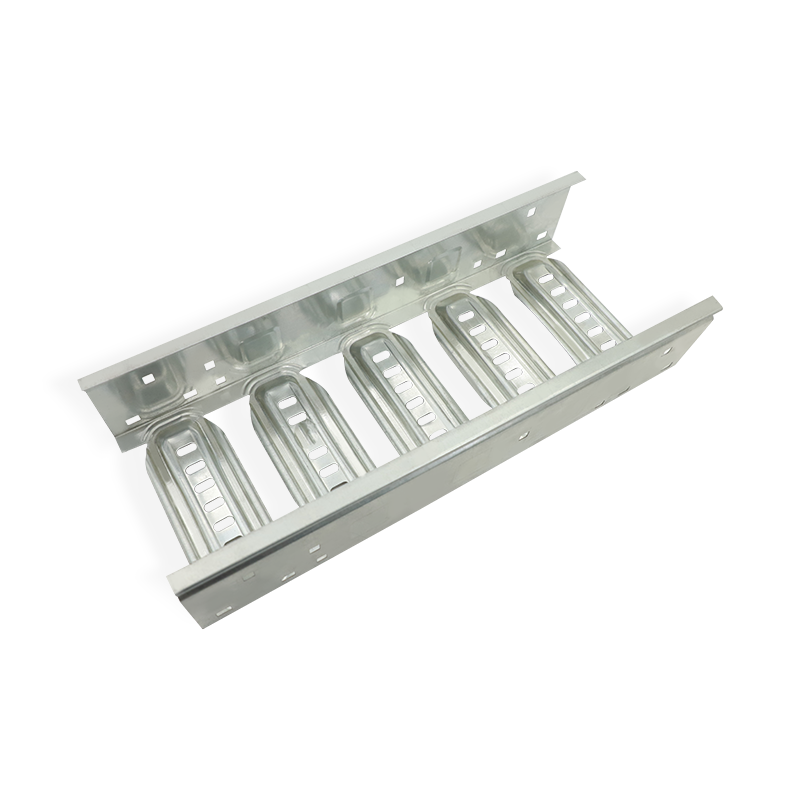
Marine cable ladder type low height cable tray for ship offshore drilling platform
1. Introduction
Marine vessels and offshore installations face unique challenges: heavy cable bundles, long unsupported spans, salt‑laden air, vibration and limited space. Specifying the correct ladder size—and not just standard sizes—can save rework, improve safety and optimise costs. This is particularly true when engaging in procurement of custom solutions aligned with specific project requirements.
2. Understanding Key Dimensions and Parameters of Marine Cable Ladder
2.1 Width, height and rung spacing – what they are and why they matter
- The width refers to the inside clear dimension between side rails; it must accommodate the total cross‑sectional area or sum of cable diameters.
- The height of side rails (rail depth) affects structural rigidity and deflection under load.
- Rung spacing influences how cables rest on the ladder, how they are tied down, and ventilation; e.g., typical rung‑spacing values include 150mm, 300mm or 450mm in many installations.
2.2 Support span and load capacity – how span affects strength and load rating
- The support span is the distance between supports (brackets, hangers); longer spans mean greater bending moment and increased deflection and stress.
- Load capacity (uniform and concentrated loads) is significantly impacted by span: the same ladder width may carry less load when span increases.
2.3 Materials and corrosion environment – how marine exposure drives size/material decisions
- In marine or offshore environments the ladder must resist salt spray, humidity, vibration and sometimes fire exposure.
- Material choice—such as hot‑dip galvanised steel, stainless steel or aluminium—impacts both corrosion resistance and structural properties.
- A ladder sized purely by load and span without regard to environment may fail prematurely due to corrosion or material degradation.
3. How to Use a Size Chart and Load Table for Marine Cable Ladders
3.1 Example width & span chart for shipboard use ( marine cable ladder size chart for shipboard installations )
Below is a simplified example table. Naturally, you should consult the manufacturer for detailed load‑span charts.
| Inside Width | Max Support Span (m) | Uniform Load (kg/m) | Notes |
|---|---|---|---|
| 150 mm | 1.5 m | 120 kg/m | Heavy duty, small width |
| 300 mm | 2.0 m | 200 kg/m | Typical moderate run |
| 450 mm | 2.5 m | 280 kg/m | Wide run for many cables |
| 600 mm | 3.0 m | 350 kg/m | Very wide, heavy cable bundles |
Note: These values are illustrative. Your actual custom ladder may vary. Many manufacturers list widths from 100 mm up to 900 mm in marine standard.
3.2 Comparison of standard vs custom widths and rung spacings ( custom marine cable ladder width and rung spacing specification )
Standard widths might be offered off‑the‑shelf (e.g., 150, 300, 450, 600 mm) whereas custom widths allow you to optimise space, weight and cost. Rung spacing too may be standard (e.g., 300 mm) or altered for special cable routing.
| Specification | Standard Option | Custom Option |
|---|---|---|
| Width | 150/300/450/600 mm | any width up to 900 mm or bespoke |
| Rung spacing | 300 mm | 150 mm or 450 mm depending on cable type |
| Side rail height | 40‑50 mm | Custom 60 mm for higher loads |
3.3 Load capacity versus span – selecting based on actual cable weight ( how to choose marine cable ladder span and load capacity )
You must calculate the total weight of cables (including future expansion), then ensure the ladder width, span and material support that load with acceptable deflection. For example, a ladder with a 3 m span may only carry 250 kg/m, whereas the same ladder at 1.5 m span might carry 400 kg/m.
| Span (m) | Allowable Load (kg/m) | Implication |
|---|---|---|
| 1.5 | 400 | Short span allows higher load |
| 2.5 | 280 | Moderate span moderate load |
| 3.0 | 200 | Long span reduces load capacity |
4. Corrosion‑Resistant Design Considerations for Marine Cable Ladders
4.1 Material selection under marine conditions ( corrosion resistant marine cable ladder sizing guide for offshore use )
- Hot‑dip galvanised steel: widely used, cost‑effective, good corrosion protection when properly maintained.
- Stainless steel (e.g., 316): higher resistance to salt spray, pitting and crevice corrosion—ideal where maintenance is difficult.
- Aluminium alloy: lighter weight, good corrosion resistance in many marine atmospheres—suitable where weight is critical.
4.2 Environmental factors (salt spray, humidity, vibration) and how they affect sizing and supports
- Salt spray accelerates corrosion of coatings and may reduce effective structural capacity over time.
- Vibration on a ship or offshore platform may cause fatigue in ladders or supports—thus insist on manufacturer fatigue data or higher safety factor.
- Temperature swings and hull movement may cause expansion/contraction—span and support design must account for movement and ensure minimal additional stresses.
5. Step‑by‑Step Procurement Checklist for Custom Marine Cable Ladder Sizes
5.1 Define cable load and grouping
- List all cables, their weights per metre (or estimate).
- Include future expansion if anticipated.
- Sum the total load (kg/m) over the planned ladder length.
5.2 Determine span and support spacing
- Review ship/structure brackets, hanger points, obstacles.
- Shorter spans = higher capacity; decide on realistic support intervals.
5.3 Select width, height, rung spacing
- Ensure ladder width accommodates all cables (see table in 3.1).
- Select rung spacing to suit cable diameters and tie‑down needs.
- Check side rail height sufficient for cable depth.
5.4 Choose material/finish and corrosion protection
- Select material based on corrosion environment (see section 4.1).
- Ensure finish/coating meets ship classification or offshore standard.
5.5 Verify manufacturer's load/deflection data and ensure compliance
- Request detailed load tables: span vs. load vs. deflection.
- Ensure that deflection limits are acceptable (for example ≤ L/100 for ladder systems).
- Check relevant standards (e.g., EN 61537) and third‑party certification if required.
6. Why Choose Our Company for Custom Marine Cable Ladder Solutions
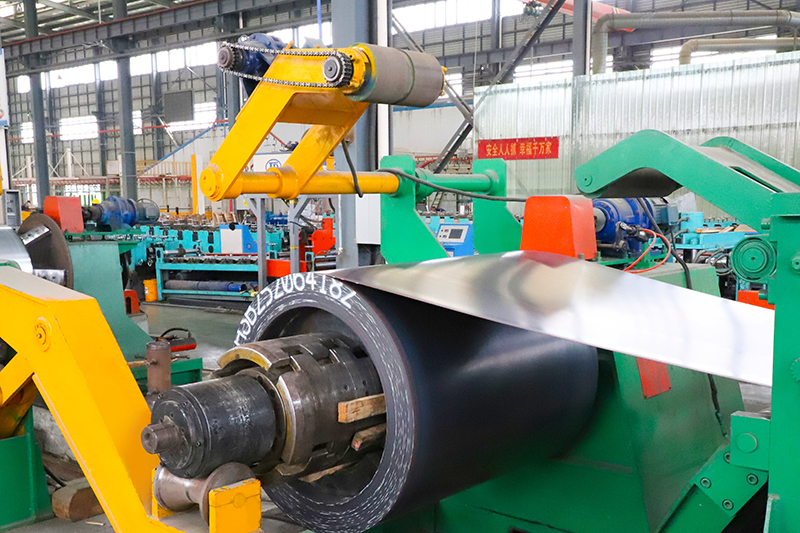
Jiangsu Youming Group Co., Ltd. was established in 2015 and is located in the Taidong Industrial Park, Shiyuan Town, Dongtai City. It is a high‑tech enterprise specializing in the research and development and production of cable trays. With a registered capital of 50 million RMB, covering 60 acres and a production workshop of over 26,000 m², its annual production capacity exceeds 30,000 tons. The company is equipped with fully automatic production lines—including longitudinal and transverse shearing, automatic forming, welding, riveting, laser cutting and CNC turret punching, and automatic spraying. The product range includes stainless steel, aluminium alloy, hot‑dip galvanised and powder‑coated/fire‑proof series, in trough, ladder, perforated and mesh types. The products are widely used in infrastructure, transportation, communication, power (including wind, photovoltaic and thermal power), machinery, metallurgy, shipping, chemical, pharmaceutical, food and other fields. With its own testing centre and full quality inspection from raw material to delivery, the company ensures product quality reaches high industry level. It has over 150 skilled employees (including more than 50 technical backbone members), with a dedicated design & R&D team, advanced enterprise management and efficient sales team. The company holds ISO 9001:2015, ISO 14001:2015 and ISO 45001:2018 certifications as well as EU CE certification, multiple independent intellectual property rights and patents, and occupies a leading position in technological innovation in the industry.
For clients seeking custom rope‑free sizing, tailored load/deflection tables, and full material/finish options for harsh marine environments, we offer one‑stop services from specification, production to delivery and provide full technical documentation.
7. Conclusion
Selecting the correct marine cable ladder sizes involves more than choosing a nominal width. You must evaluate the actual cable load, support span, rung spacing, material and environmental conditions. By following a structured approach and verifying the manufacturer's data, you can specify a ladder solution that ensures long‑term performance, safety and value. With the right partner you can achieve customised sizing, tailored finishes and full compliance with marine standards.
8. FAQ
- Q1: What is the typical standard width for a marine cable ladder?
A1: Standard widths often include 150 mm, 300 mm, 450 mm and 600 mm, but custom widths up to 900 mm or beyond may be available. - Q2: How do I determine the correct support span for a cable ladder on a ship?
A2: You should review hanger/bracket spacing in your vessel design, then refer to the manufacturer's span‑vs‑load chart and choose a span that ensures your total cable weight does not exceed the allowable load at that span. - Q3: Does corrosion affect the sizing of a cable ladder?
A3: Yes. In a marine environment corrosion can reduce structural integrity, meaning you might need thicker side rails, shorter spans or higher safety factors when specifying sizing, materials and finish. Section 4 covers this. - Q4: Can I mix standard ladder widths and custom widths in the same installation?
A4: It is possible, but mixing widths can complicate support spacing and load calculations. From procurement and installation perspective it's better to standardise size where feasible, or consult your supplier about compatibility. - Q5: What documentation should I request from my ladder supplier?
A5: You should request the supplier's load/deflection tables for the proposed span and width, material certification, corrosion protection specification, compliance with relevant standards (e.g., EN 61537) and evidence of quality control and traceability.
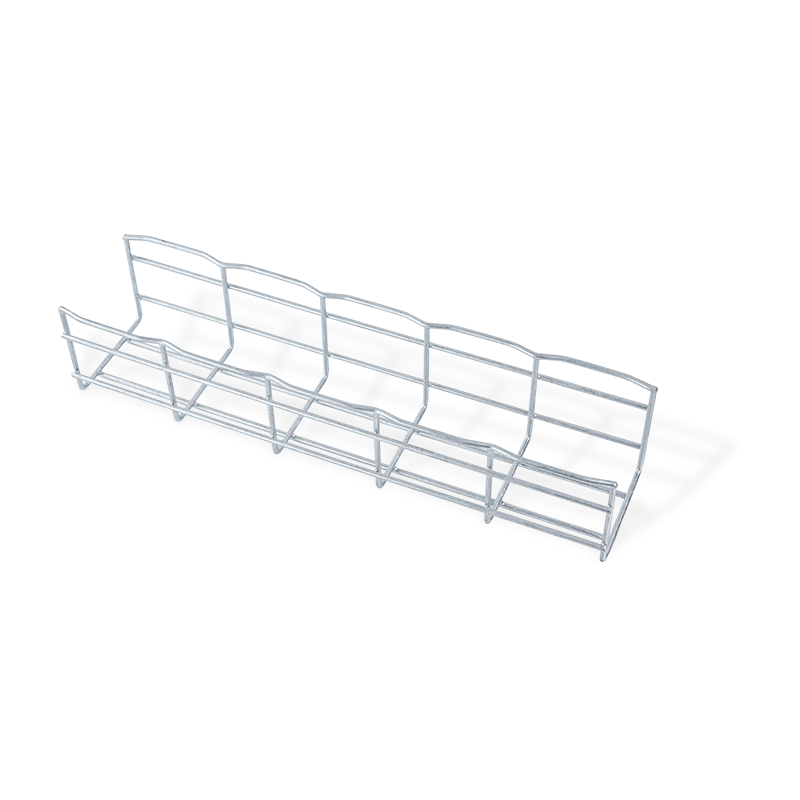
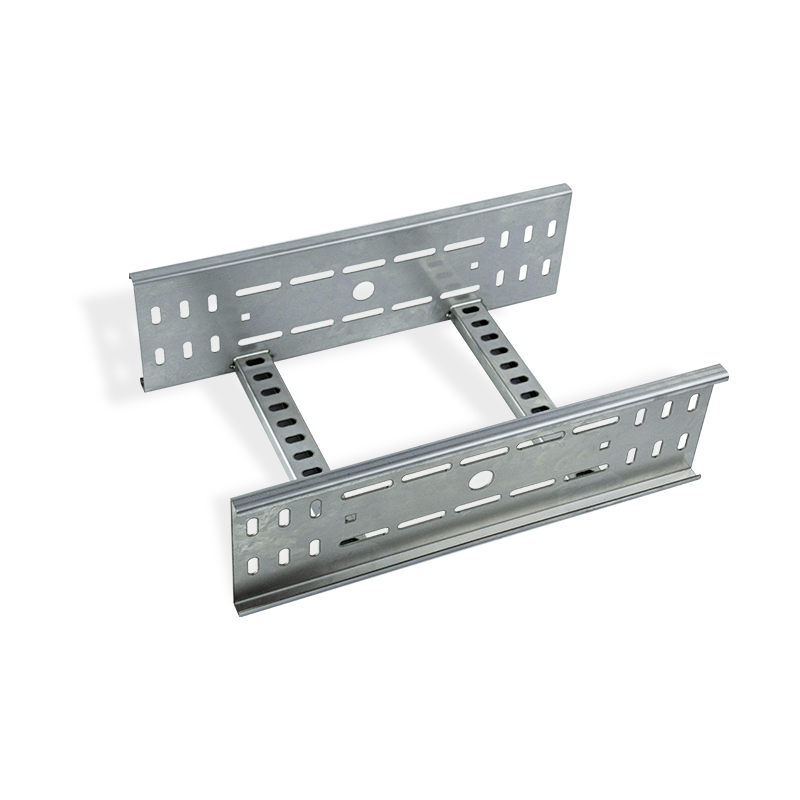

Youming Group เป็นกลุ่มบริษัทการผลิตที่ดำเนินธุรกิจหลักในการวิจัยและพัฒนาถาดสายเคเบิลความแข็งแรงสูงใหม่
ลิงค์ด่วน
สินค้า
ข้อมูลการติดต่อ
-
No.36, เขตอุตสาหกรรม Taidong เมือง Shiyan, เมือง Dongtai, มณฑลเจียงซู
