


 Language
หากคุณต้องการความช่วยเหลือใด ๆ โปรดติดต่อเรา

คำแนะนำขั้นสูงสุดสำหรับซีรีส์ถาดสายเคเบิลแบบมีรูพรุน
In the complex world of cable management, selecting the right support system is paramount for safety, efficiency, and longevity. Among the various options available, the Punched Type Perforated Cable Tray Series stands out as a versatile and robust solution. This comprehensive guide delves deep into this specific series, exploring its design, benefits, applications, and key considerations to help you make an informed decision for your next project. We will also address common queries, including the difference between perforated and ladder type cable tray , to provide a holistic understanding.
What is a Punched Type Perforated Cable Tray?
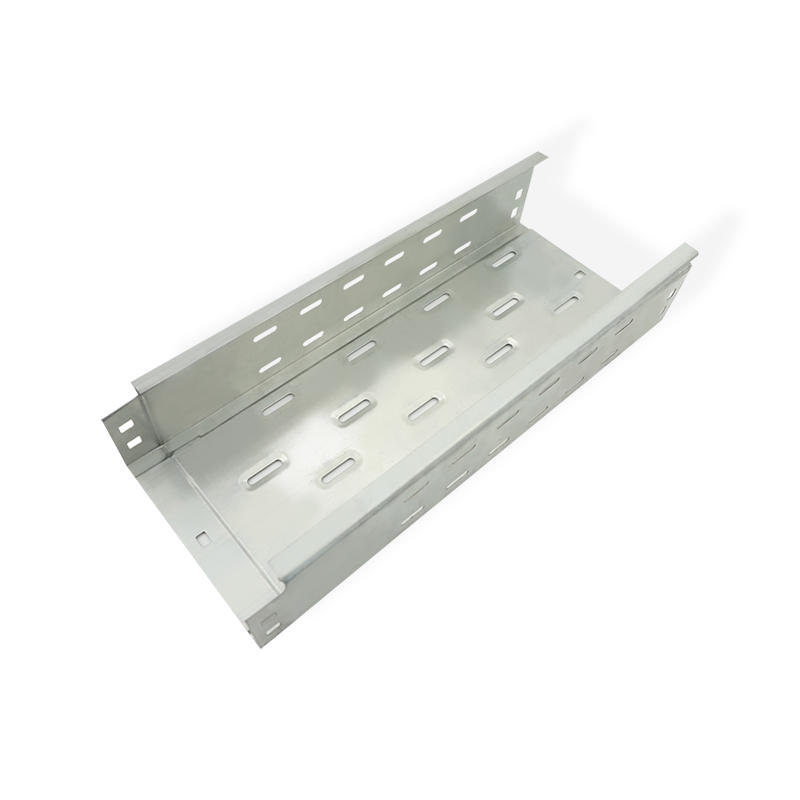
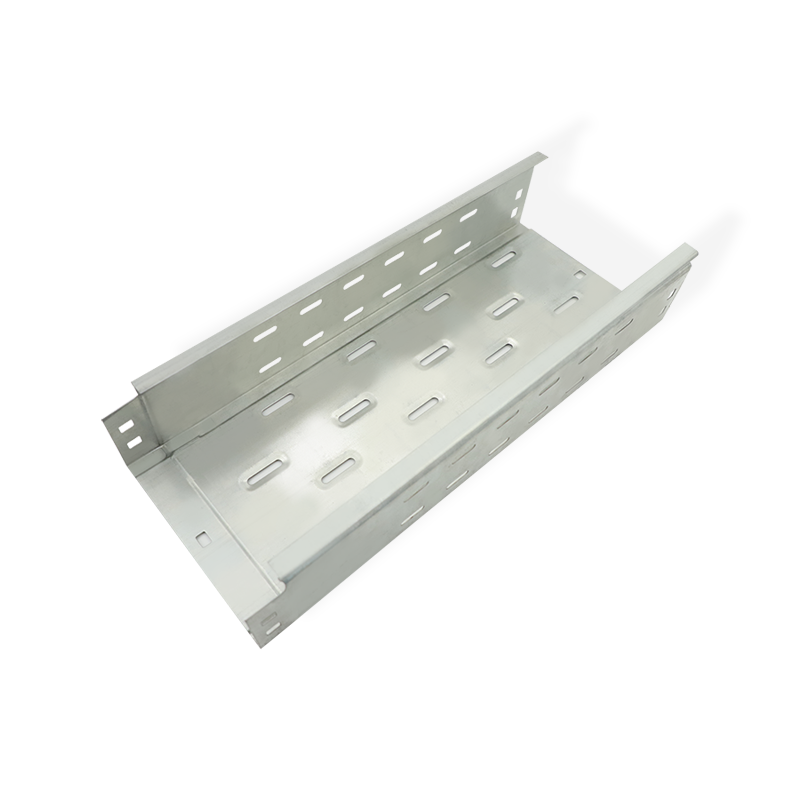
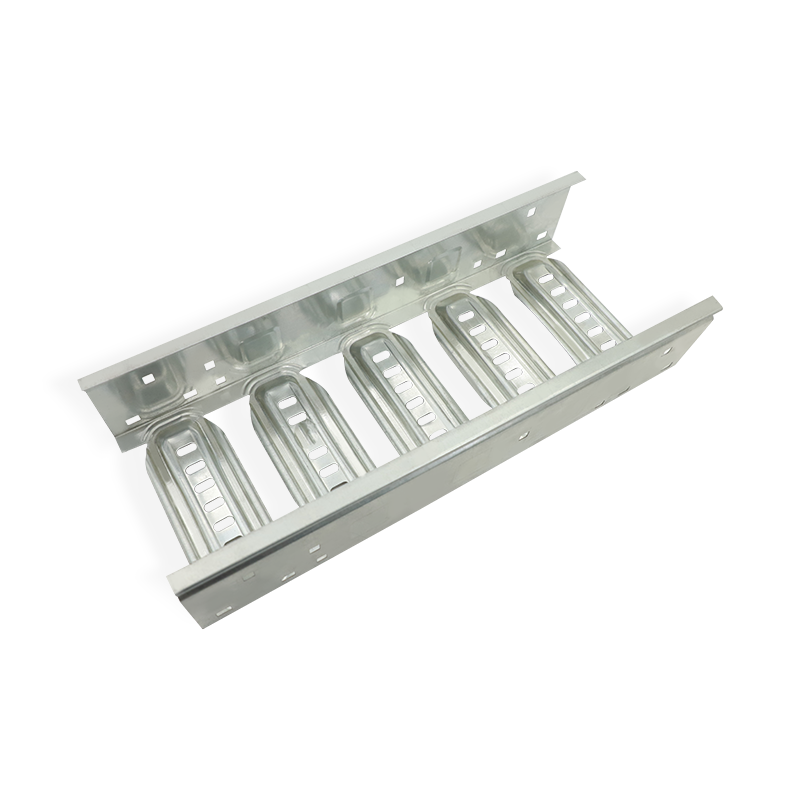
A Punched Type Perforated Cable Tray is a prefabricated structural system typically made from steel, aluminum, or stainless steel. Its defining characteristic is a solid base with uniformly punched holes on the bottom and side rails. These perforations are not random; they are engineered to provide multiple advantages, from weight reduction to enhanced ventilation. This design is a cornerstone of modern industrial and commercial electrical installations.
- Construction: Formed from a single sheet of metal, which is then punched and bent into its final U-shape or basket-like form.
- Ventilation: The perforations allow for excellent air circulation around the cables, preventing heat buildup and extending cable life.
- Durability: Designed to support heavy cable loads over long, unsupported spans while resisting environmental stressors.
Key Features and Advantages
The popularity of the perforated cable tray series is rooted in its unique set of features that address common cable management challenges. Its design directly contributes to a safer and more manageable electrical infrastructure.
- Superior Cable Visibility: The open design allows for easy visual identification and tracing of individual cables, simplifying maintenance and troubleshooting.
- Effective Heat Dissipation: The perforations facilitate passive cooling, a critical factor for power-dense installations where overheating can degrade cable insulation.
- Lightweight yet Strong: The process of punching holes removes excess material without significantly compromising structural integrity, resulting in a lighter tray that is easier to handle and install.
- Flexibility in Routing: Available in a wide range of standard fittings (elbows, tees, reducers), these trays can be configured to navigate complex pathways around obstacles.
Comparing Perforated Cable Trays with Other Types
To truly appreciate the value of the perforated series, it's essential to understand its position within the broader cable tray ecosystem. The choice between tray types often comes down to a balance of support, protection, and ventilation requirements.
Perforated vs. Ladder Type Cable Tray
A frequently asked question in cable management is about the difference between perforated and ladder type cable tray . While both are widely used, they serve slightly different purposes based on their design.
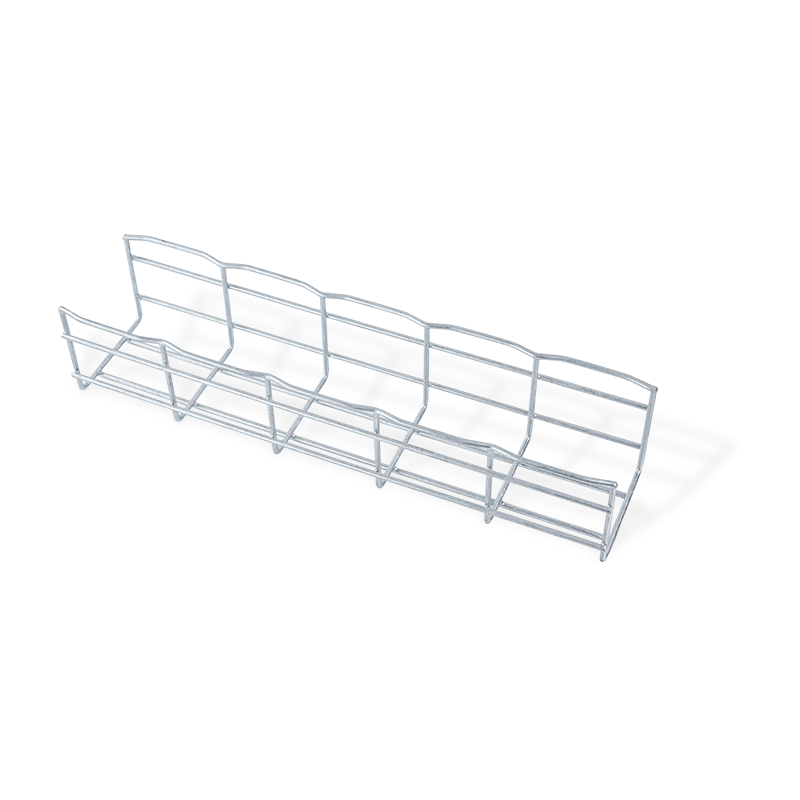
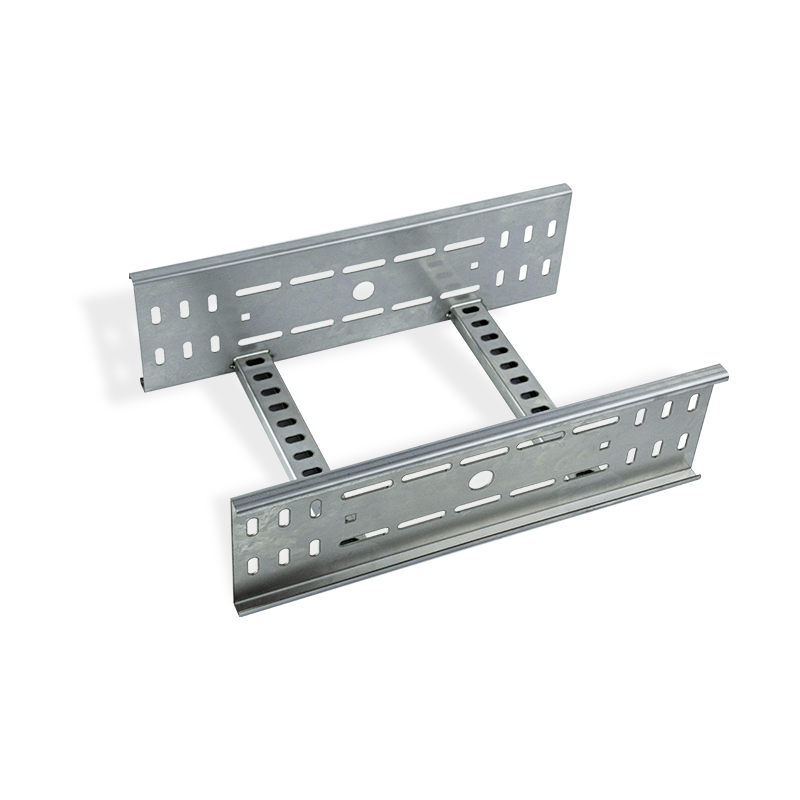
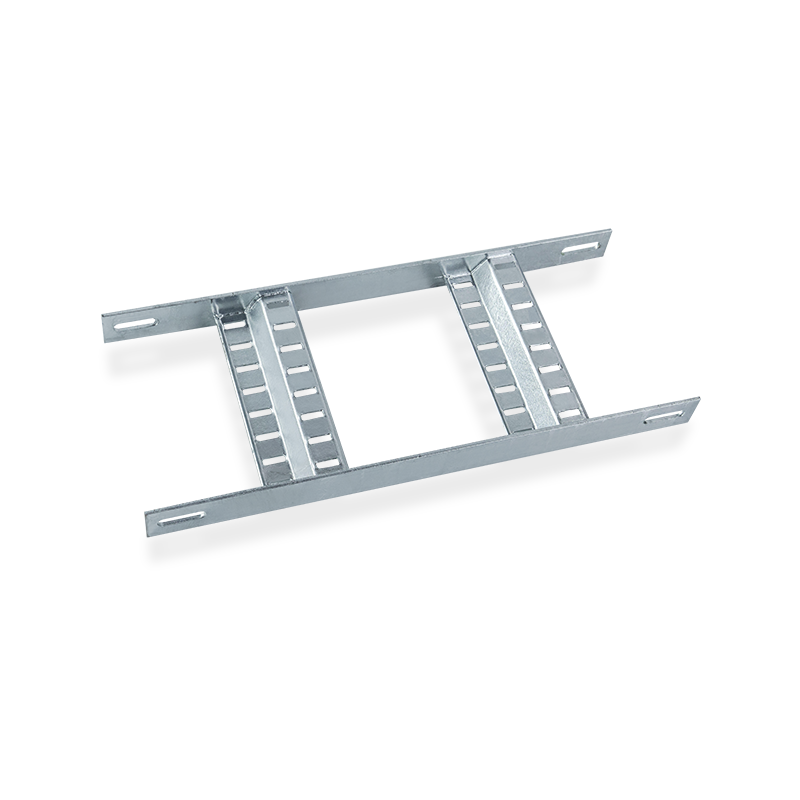
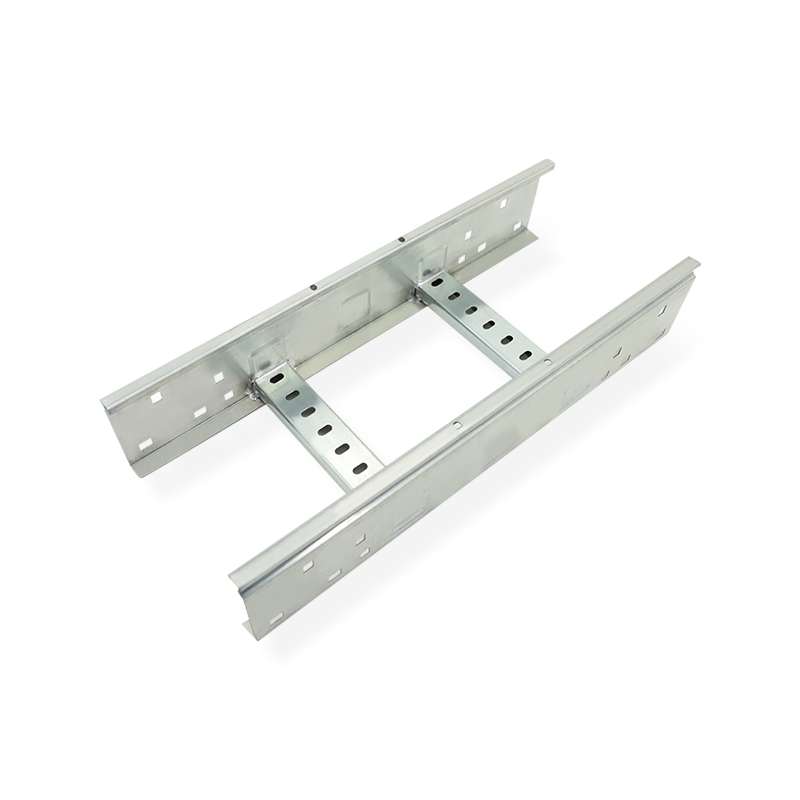
The ladder tray consists of two side rails connected by individual cross-bars, resembling a ladder. This offers maximum strength and is ideal for long spans with very heavy cables. In contrast, the perforated tray has a solid base with holes, providing more overall support and protection for smaller cables while still allowing for ventilation. The table below provides a clear comparison:
| Feature | Punched Type Perforated Tray | Ladder Tray |
| Structural Design | Solid base with punched holes | Two side rails with rungs |
| Cable Support | Excellent for small to medium diameter cables; provides continuous support. | Superior for very large, heavy power cables; support is at rung intervals. |
| Ventilation & Heat Dissipation | Good, due to perforations on the base and sides. | Excellent, due to the completely open design. |
| Dust & Debris Protection | Offers more protection from falling debris than ladder trays. | Provides minimal protection; cables are more exposed. |
| Ideal Application | Commercial buildings, data centers, control rooms. | Heavy industries, power plants, long outdoor runs. |
Critical Specifications for Selection and Installation
Choosing the right Punched Type Perforated Cable Tray involves more than just selecting a type. Several technical specifications must be considered to ensure the system's integrity and performance. Understanding the perforated cable tray load capacity is the first and most critical step.
- Load Capacity: This is the maximum weight the tray can safely support, including the weight of the cables and any additional environmental loads (like snow or wind). It is determined by the material gauge, tray width, and support spacing.
- Material and Finish: Common materials include pre-galvanized steel, hot-dip galvanized steel, aluminum, and stainless steel. The choice depends on the environment (e.g., stainless steel for corrosive coastal or chemical plant areas).
- Tray Width and Depth: Sizes are standardized, but custom sizes can be fabricated. The width and depth must accommodate the current cable volume and allow for future expansion, typically around 40% spare capacity.
Installation Best Practices and Support Spacing
Proper installation is crucial for achieving the designed perforated cable tray load capacity and system safety. A key factor is the support spacing for perforated cable trays , which directly impacts the tray's deflection under load.
Support spacing refers to the distance between the points where the tray is anchored to the building structure (e.g., from ceiling rods or wall brackets). Closer support spacing increases the system's load-bearing capacity. The optimal spacing is a calculation based on the tray's load rating, the total cable weight, and the maximum allowable deflection (sag).
- Calculation is Key: Never guess the support spacing. It must be engineered based on the specific tray and cable load.
- Follow Manufacturer Guidelines: Reputable manufacturers provide detailed load-span tables that specify the maximum support spacing for different load conditions.
- Account for Dynamic Loads: In areas with vibration or potential seismic activity, support spacing may need to be reduced, and seismic braces should be used.
Optimizing Your System with the Right Accessories
A complete cable tray system is more than just straight sections. The use of cable tray accessories for perforated type is essential for creating a functional, safe, and code-compliant installation. These components ensure the system can be routed correctly and provide necessary protection.
- Fittings: This category includes horizontal and vertical bends (elbows), tees, crosses, and reducers. They allow the tray to change direction and branch out to different areas.
- Couplers and Splice Plates: Used to join two straight sections of tray together, ensuring mechanical and electrical continuity.
- Covers: While perforated trays are open, covers can be added in specific areas to protect cables from falling debris, dripping water, or for aesthetic reasons.
- Hold-Down Clamps: These are critical accessories that secure the cables within the tray, preventing them from being displaced due to wind, vibration, or short-circuit magnetic forces.
Cost Analysis and Sourcing
Budgeting for a project requires a clear understanding of the punched type cable tray price list . The cost is not a single figure but is influenced by a combination of factors.
- Material Cost: Aluminum and stainless steel trays are more expensive than steel. The price of raw materials is volatile and directly affects the final cost.
- Tray Dimensions: Wider and deeper trays cost more due to the increased material used.
- Material Gauge (Thickness): A thicker, heavier-gauge tray has a higher load capacity but also a higher price.
- Finish: A hot-dip galvanized finish is more corrosion-resistant and costly than a pre-galvanized finish.
- Accessories: The number and type of fittings, covers, and clamps can significantly add to the total project cost.
FAQ
What is the main advantage of a perforated cable tray over a solid bottom tray?
The primary advantage is heat dissipation. Solid bottom trays completely enclose cables, trapping heat which can accelerate the degradation of cable insulation and reduce its current-carrying capacity. The perforations in a Punched Type Perforated Cable Tray allow for continuous air circulation, passively cooling the cables and promoting a longer, safer operational life. Additionally, the perforations make cable identification and partial replacement much easier than with a solid tray.
How do I determine the correct load capacity for my perforated cable tray?
Determining the correct perforated cable tray load capacity is a multi-step process. First, calculate the total weight of all cables to be placed in the tray, including their insulation and any future cable additions (typically 25-40% spare capacity). Next, consider any additional environmental loads. Then, consult the manufacturer's load-span tables for the specific tray model you are considering. These tables show the relationship between tray span (support spacing) and load capacity. Your selected tray must have a rated load capacity that exceeds your total calculated load at your planned support spacing.
Can perforated cable trays be used outdoors?
Yes, Punched Type Perforated Cable Trays are commonly used outdoors, provided the correct material and finish are selected. For outdoor applications, hot-dip galvanized steel, aluminum, or stainless steel are recommended due to their superior corrosion resistance. The open design is actually beneficial outdoors as it allows for drainage of rainwater and prevents the accumulation of moisture and debris, unlike a solid bottom tray which could pool water.
What is the standard support spacing for a perforated cable tray?
There is no single "standard" for support spacing for perforated cable trays , as it is entirely dependent on the tray's design and the applied load. For light-load applications, spacing might be 3 meters (10 feet), while for heavy-load scenarios, it could be as little as 1.5 meters (5 feet). The most reliable method is to use the engineering data provided by the tray manufacturer. Their load-span tables will specify the maximum allowable support spacing to keep the tray's deflection within safe limits for a given load.
Are there fire safety concerns with using perforated cable trays ?
All cable management systems must adhere to local fire and electrical codes. Perforated trays themselves are not a fire hazard, but the cables within them can be. In areas requiring fire protection, specific measures can be integrated. This can include using fire-rated cable coatings or wraps, installing fire stops where trays penetrate firewalls, or even selecting cable trays with built-in fire-resistant properties. The open design can sometimes allow a fire to spread more easily via cable insulation if not properly addressed, so a fire hazard analysis is always recommended.

Youming Group เป็นกลุ่มบริษัทการผลิตที่ดำเนินธุรกิจหลักในการวิจัยและพัฒนาถาดสายเคเบิลความแข็งแรงสูงใหม่
ลิงค์ด่วน
สินค้า
ข้อมูลการติดต่อ
-
No.36, เขตอุตสาหกรรม Taidong เมือง Shiyan, เมือง Dongtai, มณฑลเจียงซู
