


 Language
หากคุณต้องการความช่วยเหลือใด ๆ โปรดติดต่อเรา

จะป้องกันไม่ให้สายเคเบิลลื่นไถลในสภาพแวดล้อมที่เอียงหรือสั่นสะเทือนได้อย่างไร คู่มือการเลือกถาดสายเคเบิลกันลื่น
In industrial and commercial installations, cable trays are the backbone of organized power and data distribution. However, in environments with inclines, significant vibrations, or both, a common and hazardous problem arises: cable slippage. This movement can lead to cable damage, connection failures, and serious safety risks. Preventing this requires a specialized solution. This guide focuses on the selection and use of Trough Type Anti slip Cable Tray systems, providing a deep dive into how they work, when to use them, and how to ensure a secure and reliable installation that stands up to the most demanding conditions.
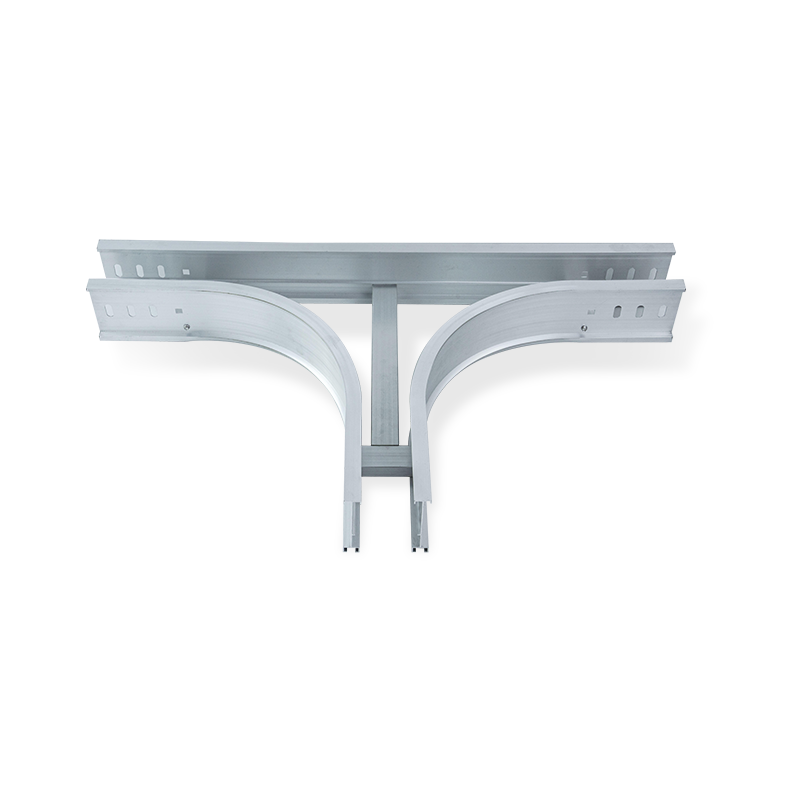
Aluminum alloy cable trunking elbow tee accessories
Understanding the Challenge: Why Cables Slipping and the Risks Involved
Before selecting a solution, it's crucial to understand the forces at play. Cable slippage isn't a random occurrence; it's a direct result of physics acting upon the cable run, and its consequences can be far-reaching.
The Physics of Cable Slippage: Gravity, Vibration, and Incline
Cables, especially when bundled together, act like a heavy, flexible rope. On a sloped tray, the component of gravity parallel to the tray's surface pulls the entire mass downhill. In vibrating environments, such as those near generators, pumps, or heavy machinery, the constant shaking creates a "walking" effect, gradually shifting cables from their original position.
- Gravity on Inclines: The steeper the incline, the greater the force pulling cables downward.
- Vibration-Induced Movement: High-frequency vibrations can cause small, incremental movements that accumulate over time.
- Cable Weight and Jacket Material: Heavier cable bundles and smoother, lower-friction jacket materials (like certain PVC or TPE compounds) are more prone to slipping.
Consequences of Uncontrolled Cable Movement
Allowing cables to slip is not an option in a professional installation. The risks extend beyond simple disorganization.
- Cable Damage: Abrasion against the tray edges or other cables can wear Trough insulation, leading to short circuits, ground faults, or signal interference.
- Connection Stress: Slippage pulls on terminations at connectors, panels, and splice points, which can loosen connections, increase electrical resistance, and cause overheating.
- Safety Hazards: Damaged insulation creates shock and fire hazards. Cables piling up at low points can also overload the tray and cause structural failure.
- Maintenance Difficulties: It becomes nearly impossible to trace, identify, or replace a single cable within a tangled, shifted mass.
Introducing the Solution: What is a Trough Type Anti slip Cable Tray ?
A Trough Type Anti slip Cable Tray is an engineered system designed specifically to counteract the forces that cause cable movement. Unlike standard trays, it incorporates features that actively grip the cables, preventing any longitudinal slippage.
Design and Mechanism of Anti-Slip Trays
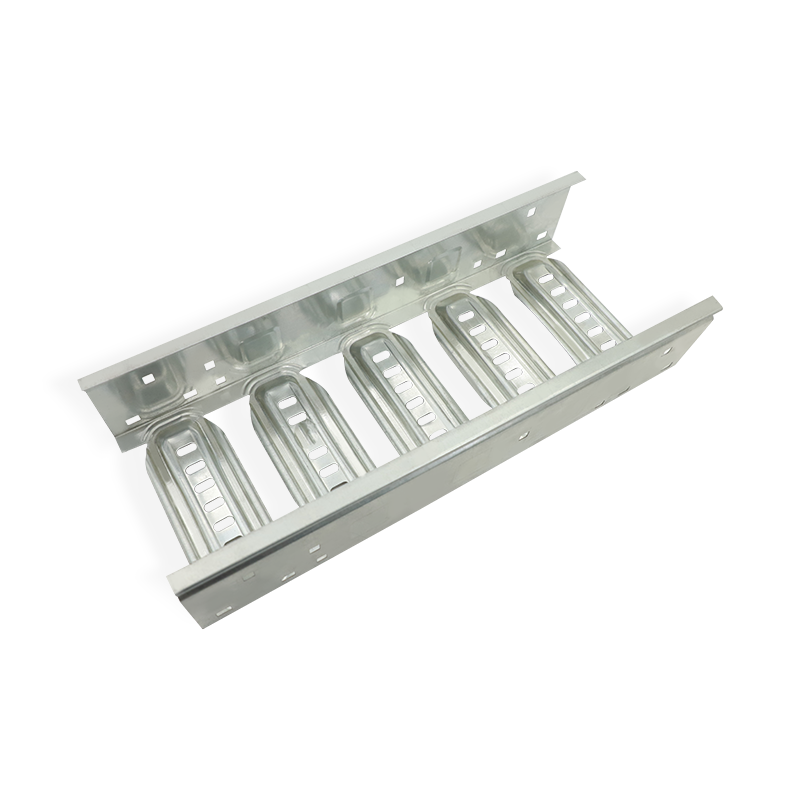
The "Trough type" design typically refers to a solid-bottom or deeply troughed cable tray that is fitted with integrated anti-slip components. The anti-slip function is not an afterthought but a core part of the tray's design.
- Integrated Anti-Slip Strips: Rubber or elastomer strips are fixed at intervals along the base of the tray. These strips have a high-friction surface that resists cable movement.
- Perforated or Serrated Base: Some designs feature a patterned base plate that increases the grip on cable jackets compared to a smooth surface.
- Continuous Barrier System: The tray may include periodic raised barriers or cleats that physically block the path of the cables, acting as a positive stop against slippage.
Key Benefits of Anti Slip Cable Trays Over Standard Designs
Investing in an anti-slip system offers tangible advantages that contribute to the overall safety, reliability, and longevity of the electrical installation.
- Eliminates Cable Slippage: The primary benefit, ensuring cables remain in their designated position indefinitely.
- Reduces Installation Time: Cables can be laid in without the need for extensive additional tying or lashing at every point, as the tray itself provides the securing force.
- Protects Cable Integrity: By preventing movement, it eliminates abrasion and stress on terminations, extending the service life of the cables.
- Maintains System Organization: Guarantees a neat, accessible, and manageable cable bundle for future modifications or troubleshooting.
A Comprehensive Cable Tray Selection for Vibrating Machinery and Inclined Paths
Selecting the right tray is a systematic process. The choice must be driven by a clear assessment of the environmental challenges and the specific needs of the cable run.
Assessing Your Environment: Incline, Vibration Frequency, and Cable Type
Begin by gathering key data about the installation site. This information will directly guide your specification. A thorough assessment is the foundation of effective cable tray selection for vibrating machinery and other harsh environments.
- Incline Angle: Measure the steepest angle of the tray run. Any incline over 30-40 degrees typically necessitates an anti-slip solution.
- Vibration Source: Identify the source and, if possible, the frequency and amplitude of vibrations. Environments near large motors, compressors, or processing equipment are high-risk.
- Cable Type and Weight: Note the outer jacket material and the total weight of the cable bundle per meter. Heavier, smoother cables present the greatest challenge.
Matching Tray Type to Application: Trough, Ladder, and Trough-Type
While the anti-slip feature is key, the overall tray style must also be appropriate for the application. Manufacturers like Jiangsu Youming Group Co., Ltd. offer a range of styles, including trough and ladder types, which can be engineered with anti-slip features to suit different needs, from heavy industrial vibration to corrosive environments.
The following table compares tray types in the context of anti-slip applications.
| Tray Type | Best For Anti-Slip Use | Considerations |
| Trough-Type (Solid Bottom) | Best choice. Provides full, continuous support and an ideal surface for integrating anti-slip strips or a serrated base. | Excellent for horizontal and inclined runs; less optimal for heat dissipation compared to ladder types. |
| Trough-Type (Perforated Bottom) | Good choice. Perforations can aid in grip, and anti-slip strips can be added. Offers a balance of support and ventilation. | Versatile for most applications including light vibrations and moderate inclines. |
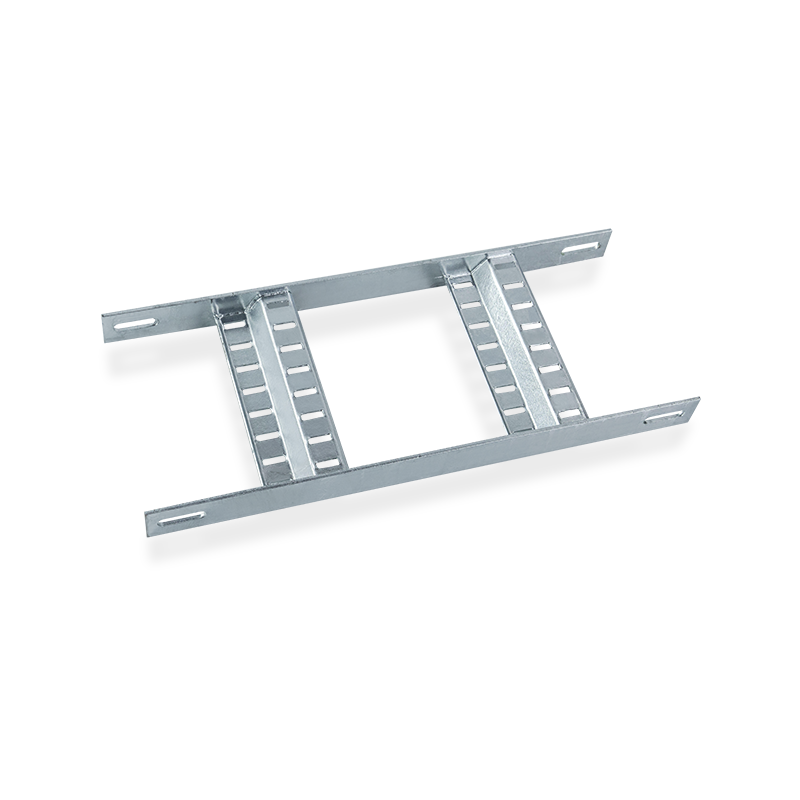
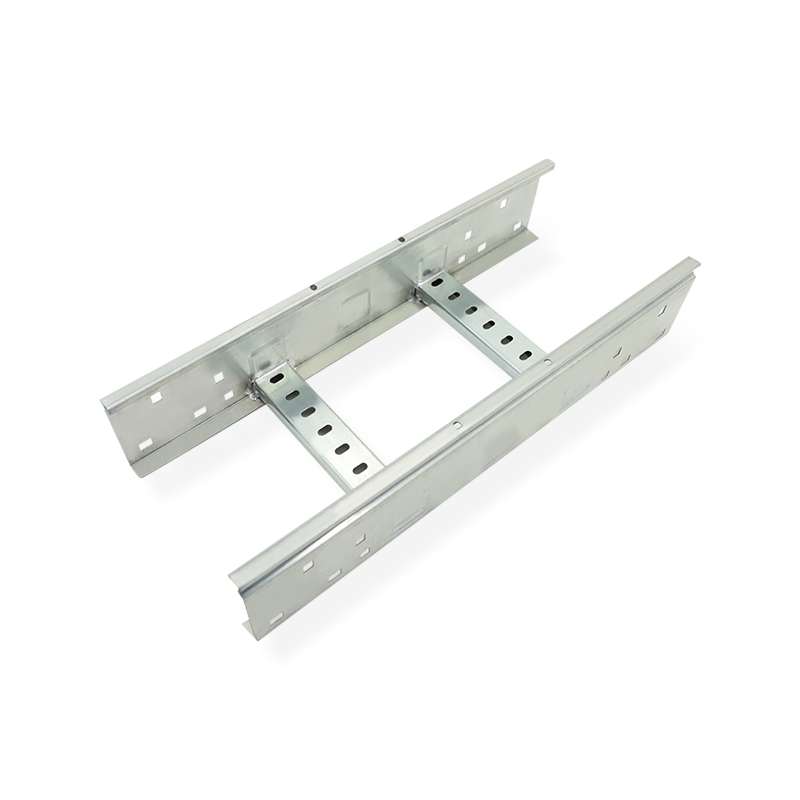
| Ladder-Type | Not ideal alone. The rungs provide limited contact, making cables prone to sagging and slipping. Requires extensive supplementary securing. | Primarily for high-heat dissipation and very heavy, rigid cables. Anti-slip features are less effective on this design. |
Key Specifications: Understanding Anti Slip Cable Tray Load Capacity and Materials
The structural integrity of the tray itself is as important as its anti-slip features. The tray must be capable of supporting the static and dynamic loads it will encounter.
Material Choices and Their Impact on Performance
The material of the tray affects its strength, corrosion resistance, and suitability for the anti-slip mechanism.
- Hot-Dip Galvanized Steel (HDG): The most common choice for industrial environments, offering excellent strength and good corrosion resistance. Ideal for welding or bolting anti-slip strips.
- Stainless Steel (304, 316): For highly corrosive environments (chemical plants, coastal areas, food & beverage). Provides a strong, cleanable surface.
- Aluminum: Lightweight and naturally corrosion-resistant. Well-suited for applications where weight is a concern, but its softer surface may affect the longevity of integrated anti-slip components.
How to Calculate and Verify Load Capacity
Always verify that the anti slip cable tray load capacity exceeds the total weight of all cables, plus a safety factor for potential future additions and dynamic loads from vibration.
- Calculate Cable Weight: Sum the weight per meter of every cable in the bundle and multiply by the longest unsupported span of the tray.
- Check Tray Specifications: The manufacturer's datasheet will list the maximum allowable load for various span lengths (e.g., 1.5m, 3m, 6m).
- Include a Safety Factor: A common practice is to ensure the tray's rated capacity is at least 1.5 times the calculated total cable weight.
Practical Implementation: Trough Type Cable Tray Installation Guide and How to Secure Cables in Cable Tray
Even the best tray will underperform if installed incorrectly. Proper installation and cable laying techniques are critical to realizing the full benefits of anti slip cable trays .
Proper Installation for Maximum Anti-Slip Performance
Following a systematic Trough type cable tray installation guide ensures the system is level, secure, and ready to perform. Key steps include ensuring all support structures are plumb and level before attaching the tray, using all provided hardware to connect tray sections securely to prevent misalignment, and verifying that the entire run is properly grounded according to local electrical codes.
Supplementary Securing Methods: Ties, Clips, and Retainers
While a Trough Type Anti slip Cable Tray is highly effective, in extreme environments (e.g., severe vibration or near-vertical runs), it is prudent to use additional methods for knowing how to secure cables in cable tray comprehensively.
- Hook-and-Loop (Velcro) Ties: Reusable and gentle on cable jackets, ideal for bundling and light securing.
- Nylon Cable Ties (Zip Ties): A common and cost-effective solution for permanent bundling. Must be trimmed properly to avoid sharp edges.
- Cable Cleats or Clamps: Heavy-duty fittings that bolt to the tray and provide a positive grip on individual large-diameter cables or small bundles.
- Cable Retainer Bars: Metal bars that bolt across the top of the tray, physically preventing cables from bouncing out or shifting vertically.
FAQ
What is the maximum incline for a standard cable tray before anti-slip is required?
There is no universal fixed angle, as it depends on cable weight, jacket slipperiness, and vibration. However, as a general rule of thumb, any incline greater than 30 degrees should be carefully evaluated, and inclines over 40 degrees almost always require an anti-slip solution like a Trough Type Anti slip Cable Tray . For any horizontal run subject to significant vibration, an anti-slip tray should be considered regardless of the angle.
Can I add an anti-slip feature to an existing cable tray?
Yes, it is possible to retrofit some anti-slip features, though it may not be as effective as an integrated system. You can install adhesive-backed high-friction rubber mats onto the base of a solid-bottom tray or use cable cleats and clamps at regular intervals to pin the cables in place. However, for long, steep, or high-vibration runs, replacing the tray section with a purpose-built Trough Type Anti slip Cable Tray is the more reliable and durable long-term solution.
How does vibration from machinery specifically affect cable trays?
Vibration imposes dynamic, cyclical loads on the tray and cables. This can loosen support hardware and connections over time. More critically for the cables, it causes a phenomenon called "cable creep," where the constant micro-movements allow the entire cable bundle to gradually "walk" along the tray. This is especially problematic on inclines but can even occur on horizontal runs. An anti-slip tray provides the constant resistive force needed to counteract this creep.
Are there any downsides to using Trough-type anti-slip cable trays?
The primary considerations are cost and heat dissipation. Trough Type Anti slip Cable Tray systems are typically more expensive than standard ladder or perforated trough trays due to their specialized design and additional components. Secondly, the solid or semi-solid base provides less airflow around the cables than an open ladder design, which can be a factor for cables carrying very high currents that generate significant heat. In most applications, however, the safety and reliability benefits far outweigh these considerations.
How do I maintain an anti-slip cable tray system?
Maintenance is generally minimal. Periodically inspect the tray for any signs of physical damage or corrosion. Check that anti-slip strips are still securely attached and have not become hardened or degraded. Ensure that all support structures remain tight. Keep the tray free of excessive dust or oil buildup, which could reduce the effectiveness of the anti-slip surface. A simple visual inspection during routine plant maintenance cycles is usually sufficient.
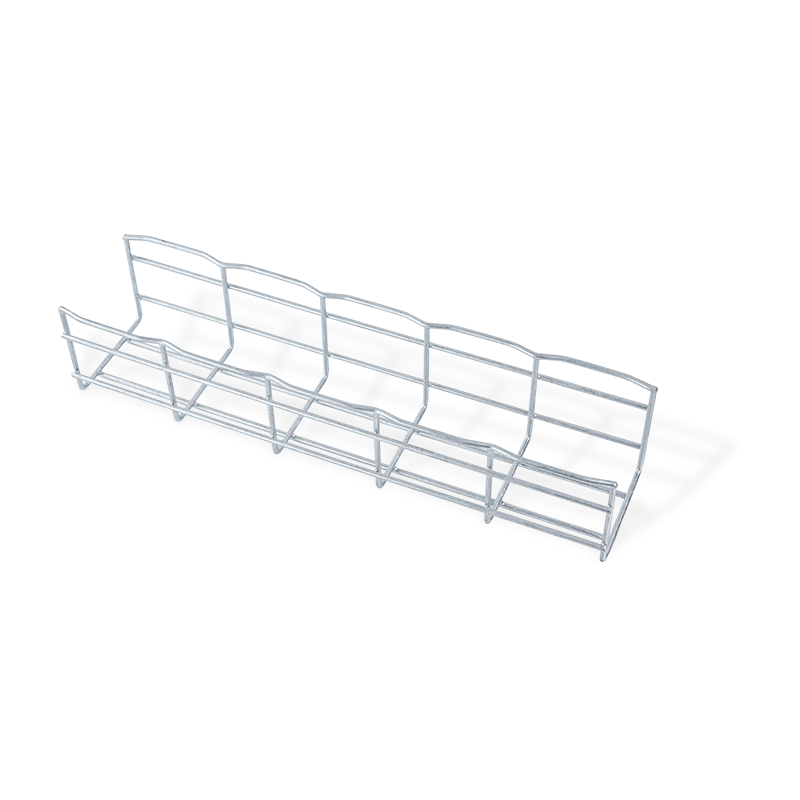
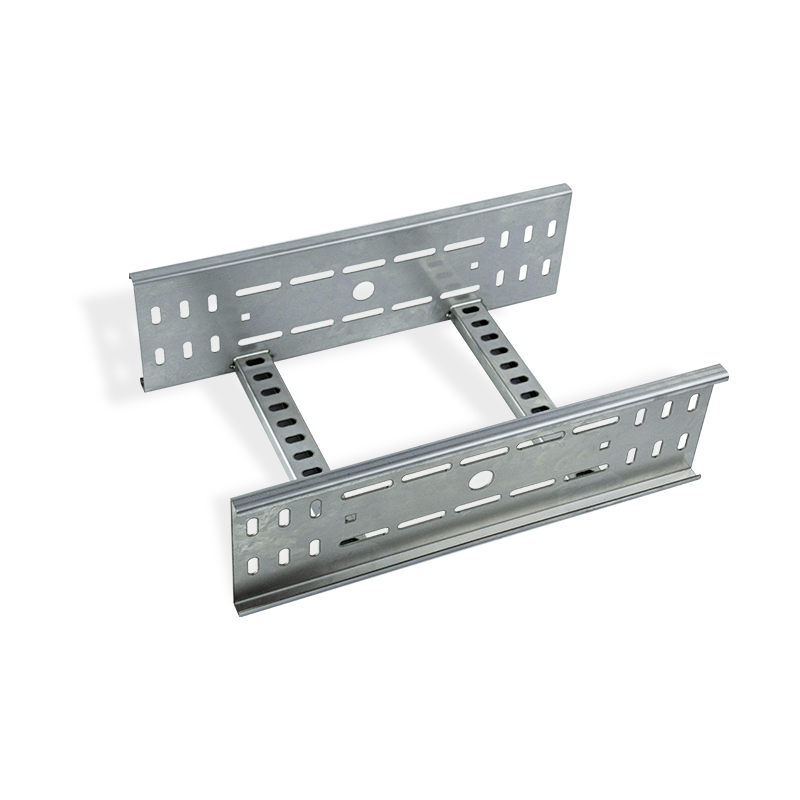
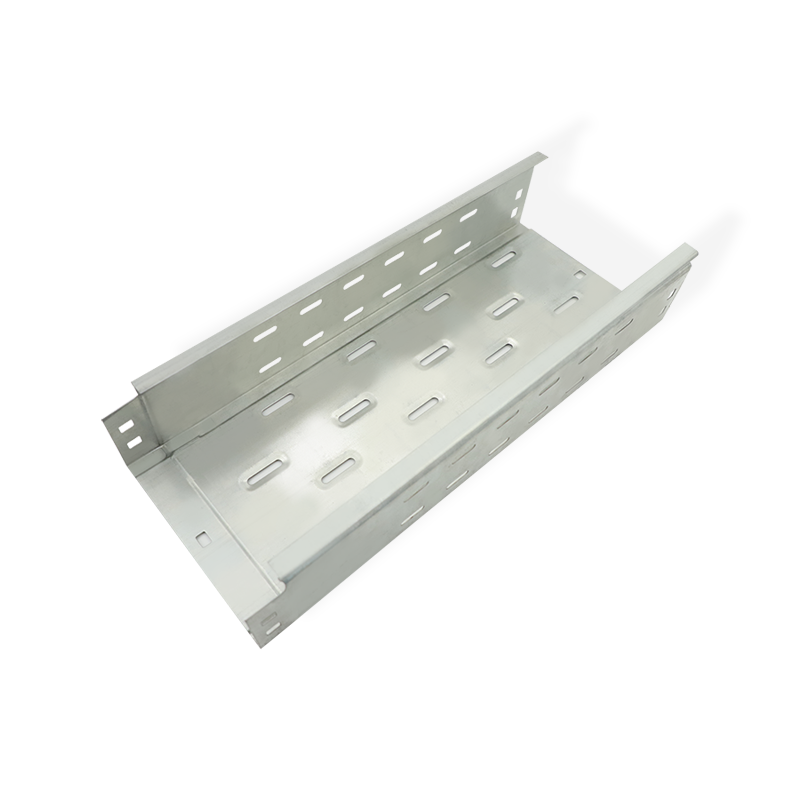

Youming Group เป็นกลุ่มบริษัทการผลิตที่ดำเนินธุรกิจหลักในการวิจัยและพัฒนาถาดสายเคเบิลความแข็งแรงสูงใหม่
ลิงค์ด่วน
สินค้า
ข้อมูลการติดต่อ
-
No.36, เขตอุตสาหกรรม Taidong เมือง Shiyan, เมือง Dongtai, มณฑลเจียงซู
